

Seminar JSPS Core-to-Core: Thúc đẩy hợp tác nghiên cứu và kết nối học thuật quốc tế
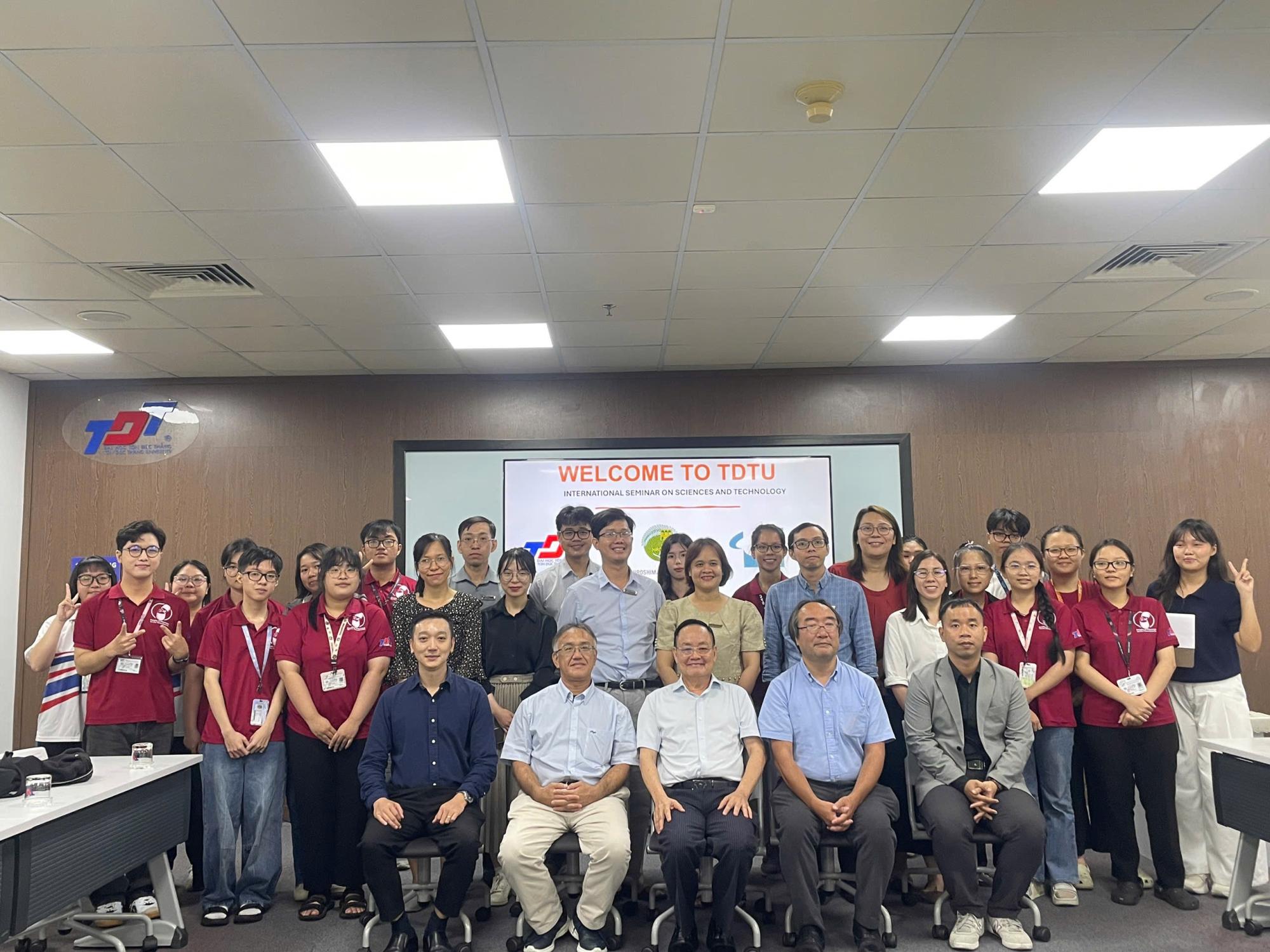
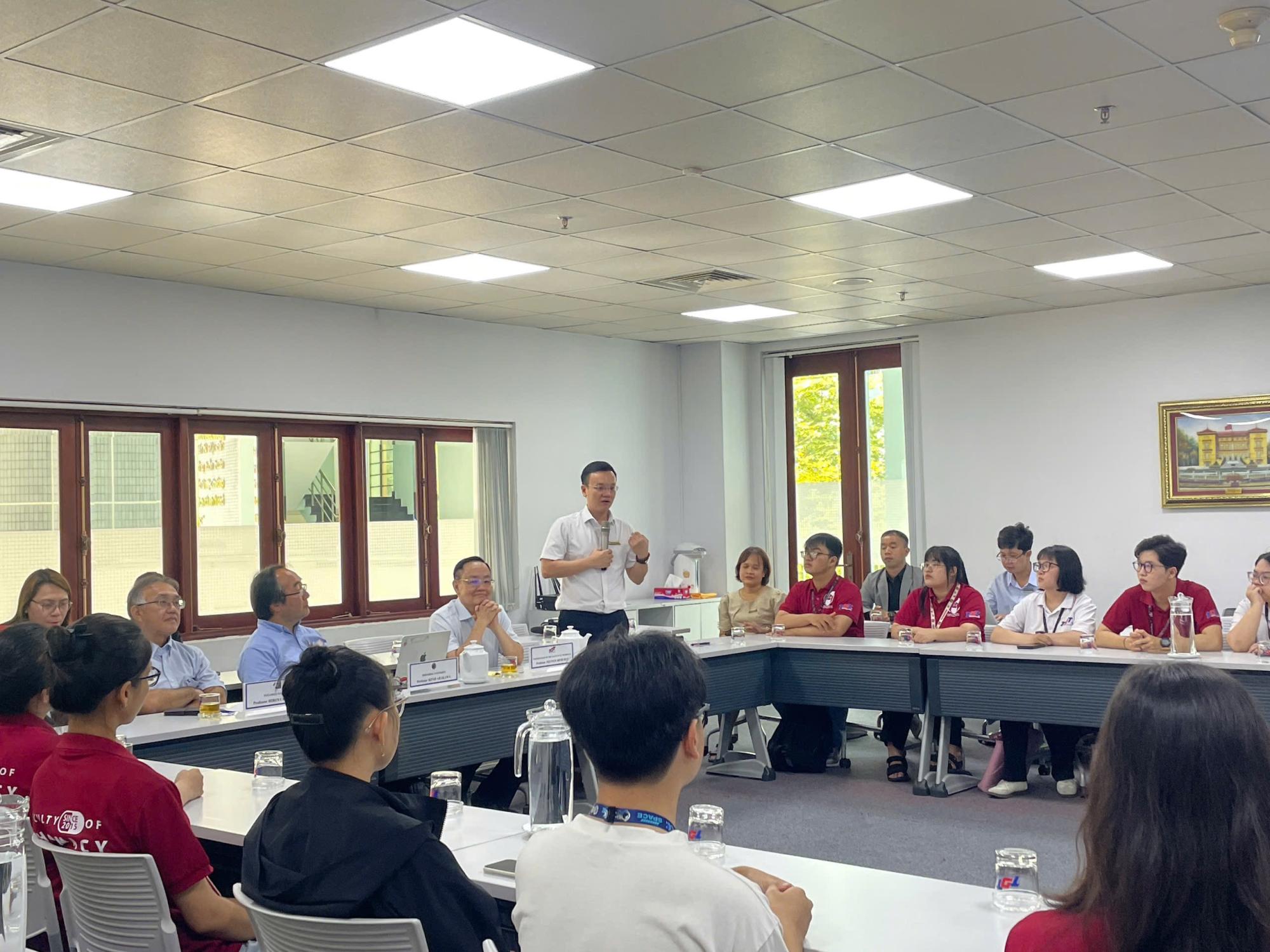
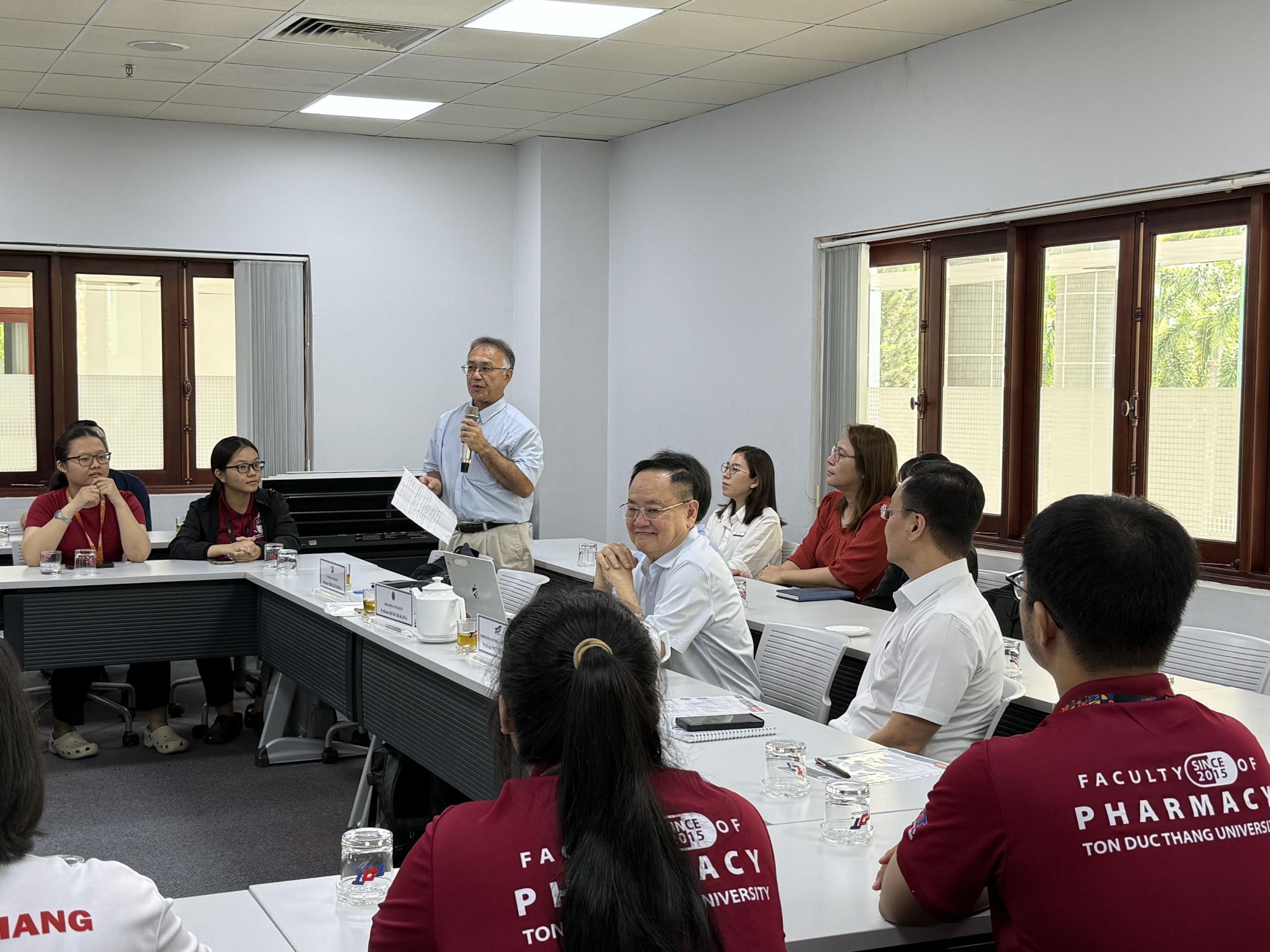
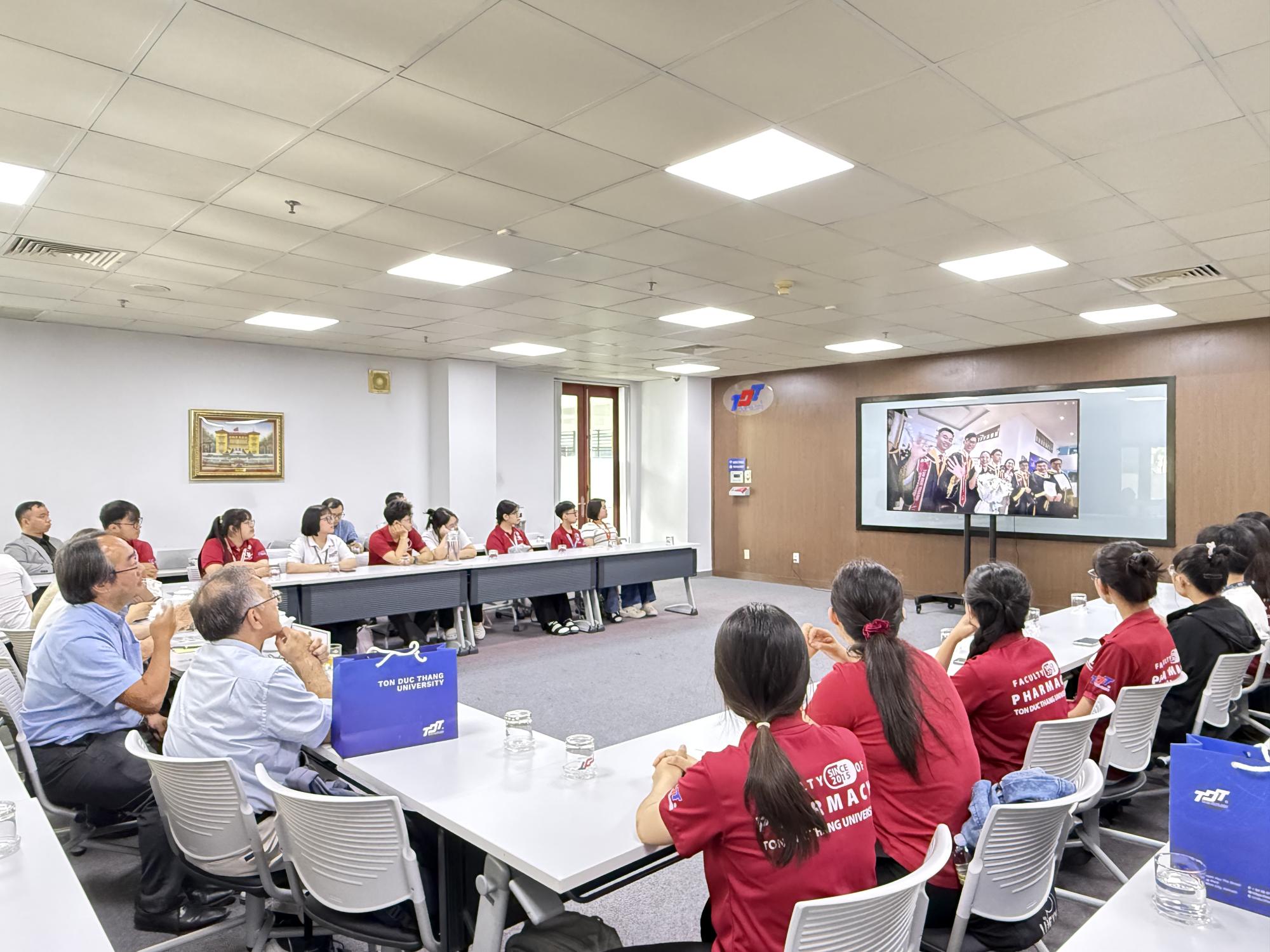
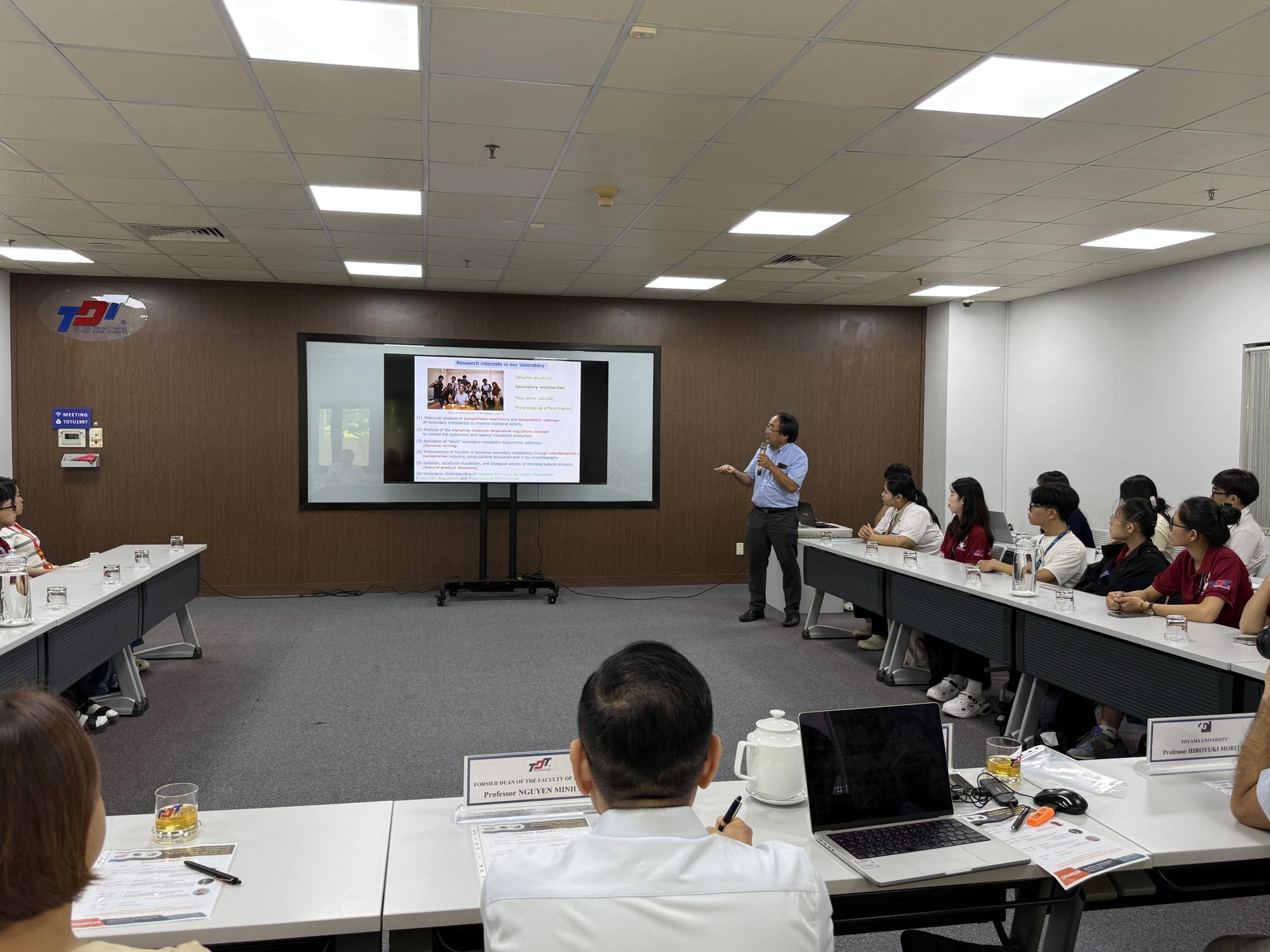
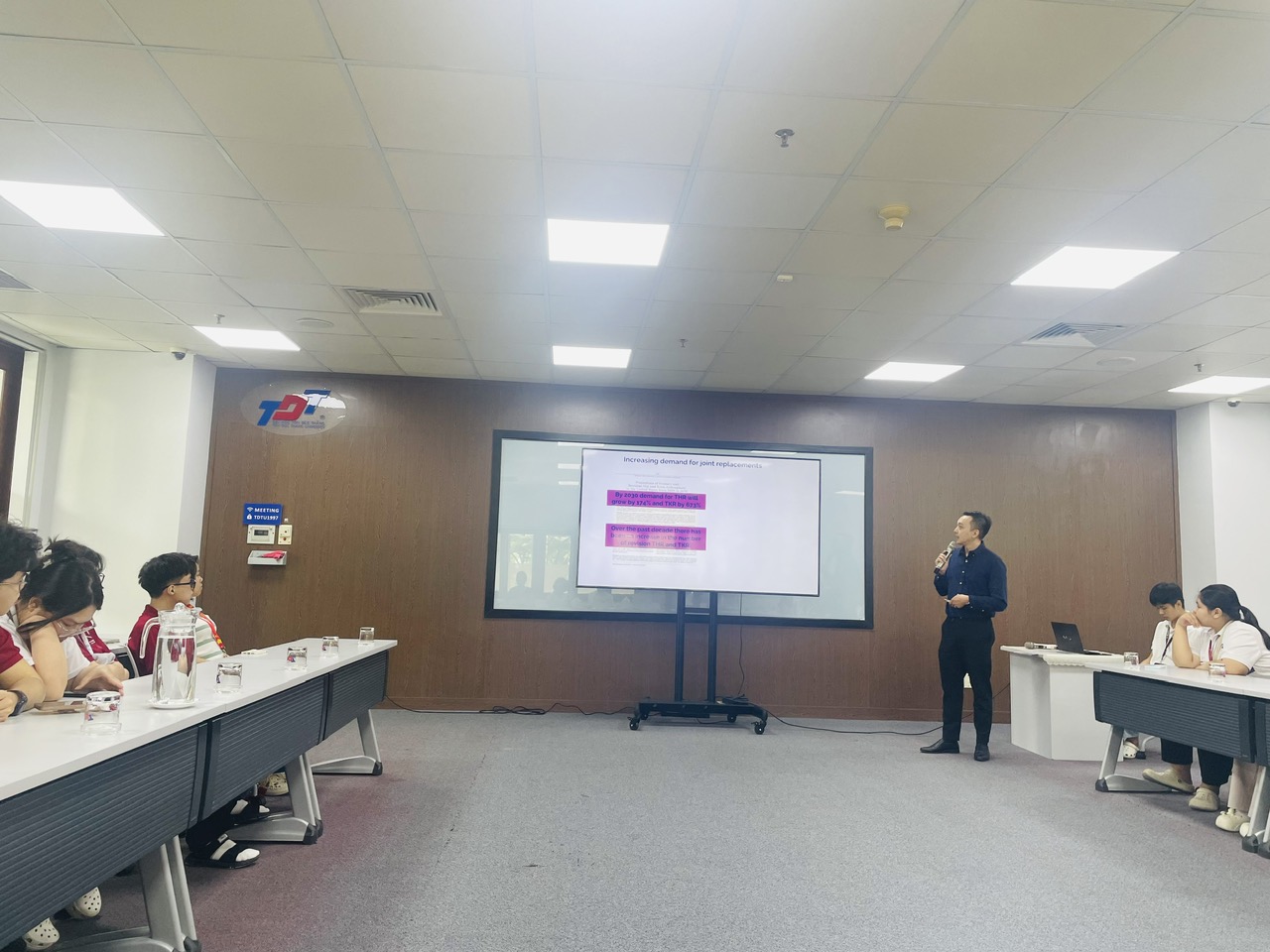
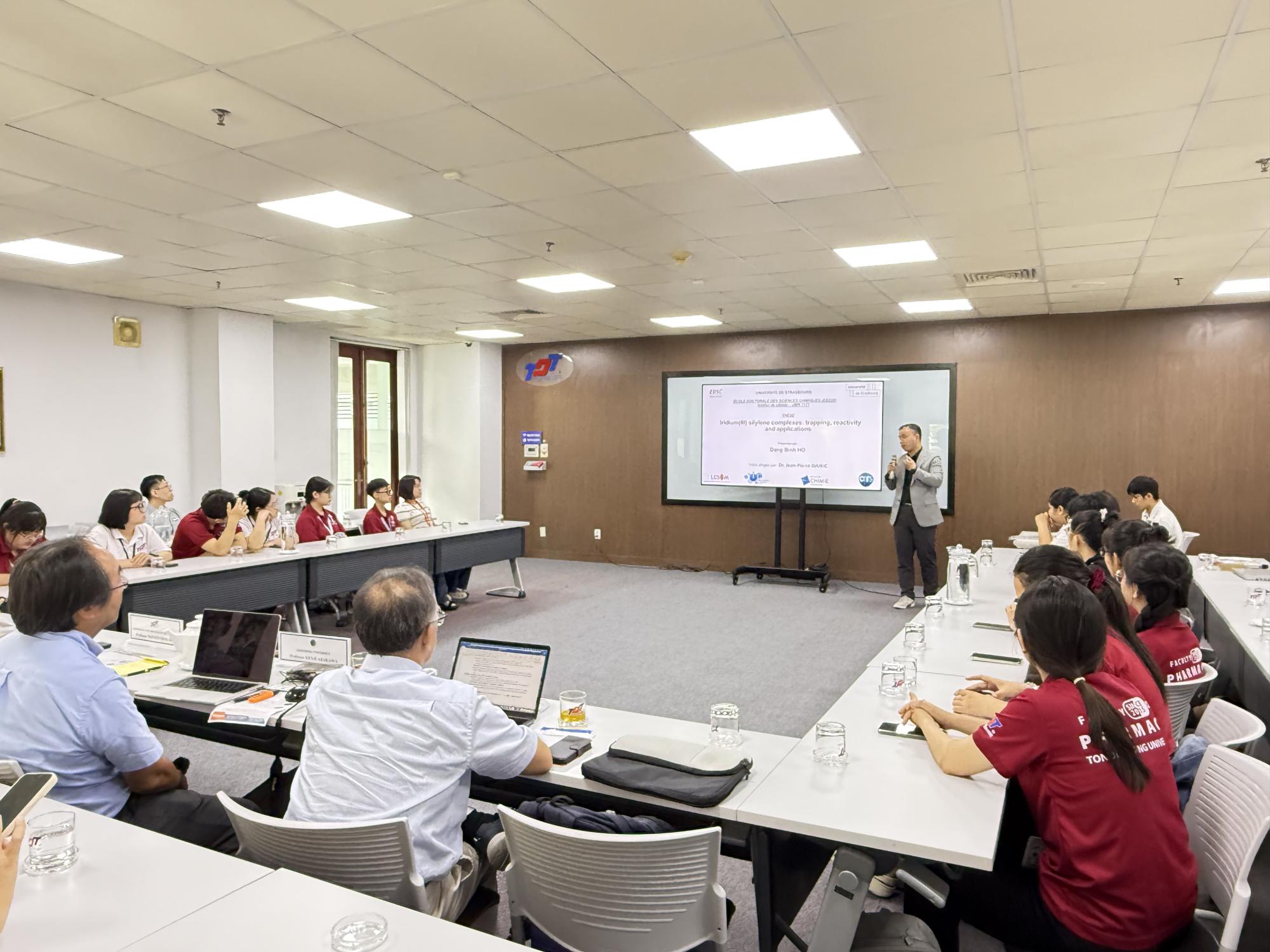
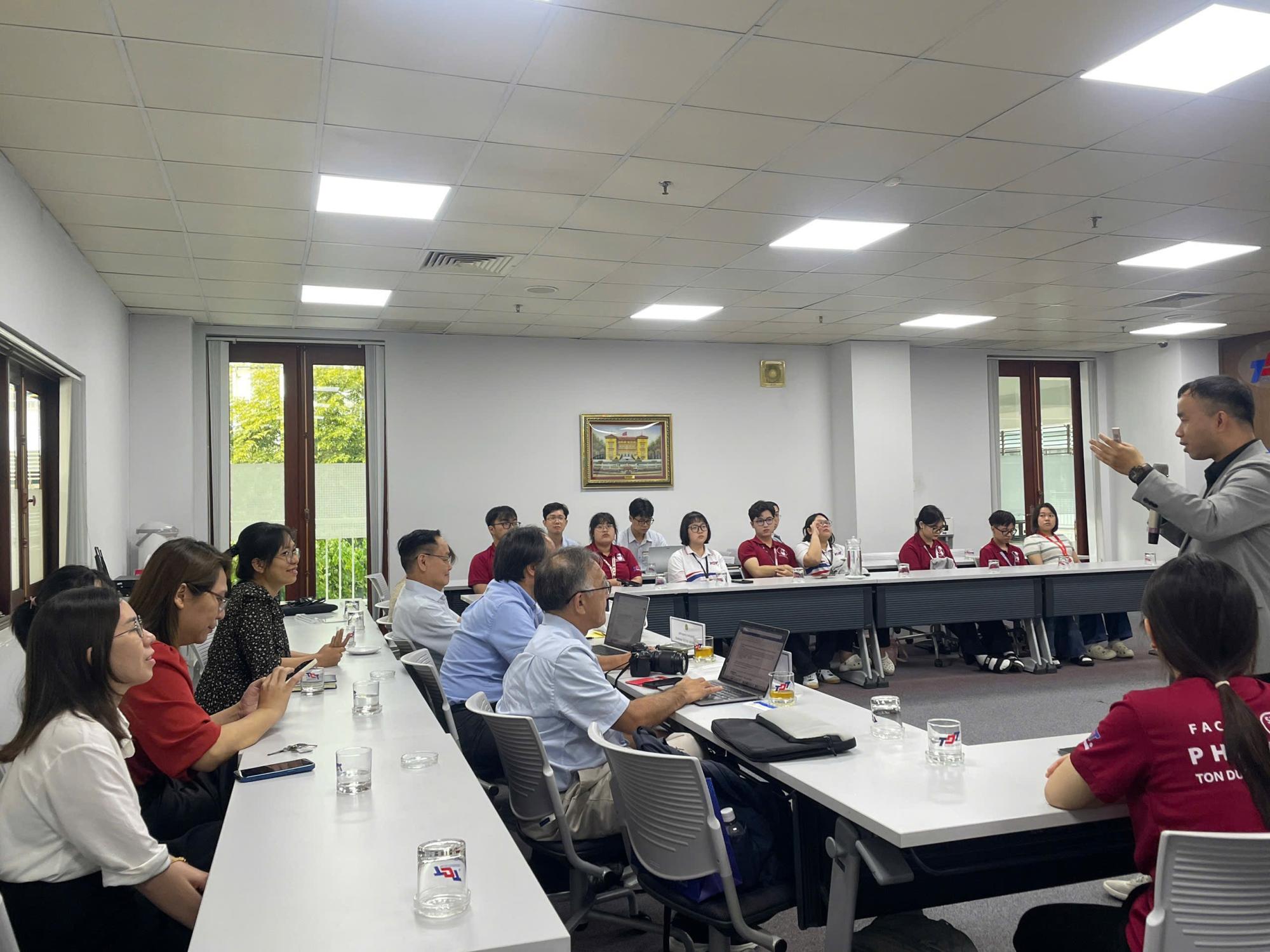
Ngày 07 tháng 08 năm 2026, Khoa Dược - Trường Đại học Tôn Đức Thắng (TDTU) đã tổ chức buổi seminar trao đổi học thuật với sự tham gia của khách mời đến từ Nhật Bản và Australia
- Giáo sư Kenji Arakawa - Đại học Hiroshima (Nhật Bản)
- Giáo sư Hiroyuki Morita - Đại học Toyama (Nhật Bản)
- Tiến sĩ Nguyễn Ngọc Hữu - Đại học Flinders (Australia)
Các chủ đề tại seminar tập trung thảo luận về hợp chất tự nhiên có hoạt tính sinh học, giải pháp không dùng kháng sinh để kiểm soát nhiễm trùng liên quan đến vật liệu cấy ghép và thiết kế phối tử cho kim loại chuyển tiếp. Seminar này là hoạt động thuộc chương trình JSPS Core-to-Core (Nhật Bản) với chủ đề “Establishment of an International Academic Basis for Functional Enhancement of Natural Products toward Healthy Aging and the Treatment of Tropical Infectious Disease”. Đây là dịp để chia sẻ kiến thức, thúc đẩy hợp tác nghiên cứu, và trao đổi sinh viên giữa các trường. Đồng thời, chương trình góp phần thực hiện các Mục tiêu Phát triển Bền vững (SDGs) của Liên Hợp Quốc, đặc biệt là Mục tiêu 3 (Sức khỏe và Cuộc sống tốt) và Mục tiêu 17 (Quan hệ đối tác vì các Mục tiêu).
On August 07, 2026, the Faculty of Pharmacy - Ton Duc Thang University (TDTU) organized an academic exchange seminar with distinguished guests from Japan and Australia
- Professor Kenji Arakawa - Hiroshima University, Japan.
- Professor Hiroyuki Morita - Toyama University, Japan.
- Dr. Nguyen Ngoc Huu - Flinders University, Australia.
These research topics contribute to the discovery of bioactive compounds, the development of antibiotic-free strategies against implant-associated infections, and advances in rational ligand design for transition metals. This academic seminar is part of the JSPS Core-to-Core Program (Japan), “Establishment of an International Academic Basis for Functional Enhancement of Natural Products toward Healthy Aging and the Treatment of Tropical Infectious Diseases. The seminar provides a valuable platform for sharing scientific knowledge and exploring opportunities for interdisciplinary collaboration. It also promotes future joint research activities and student exchange among participating universities, while contributing to the United Nations Sustainable Development Goals (SDGs), particularly SDG 3 (Good Health and Well-being) and SDG 17 (Partnerships for the Goals).